Blog
Industry insights, material technology and OEM manufacturing trends.
  • Blog

Blog

Zinc Plating, Zinc-Nickel, E-Coating or Powder Coating? Choosing the Right Metal Finish
2026-08-10
Zinc Plating, Zinc-Nickel, E-Coating or Powder Coating? Choosing the Right Metal Finish

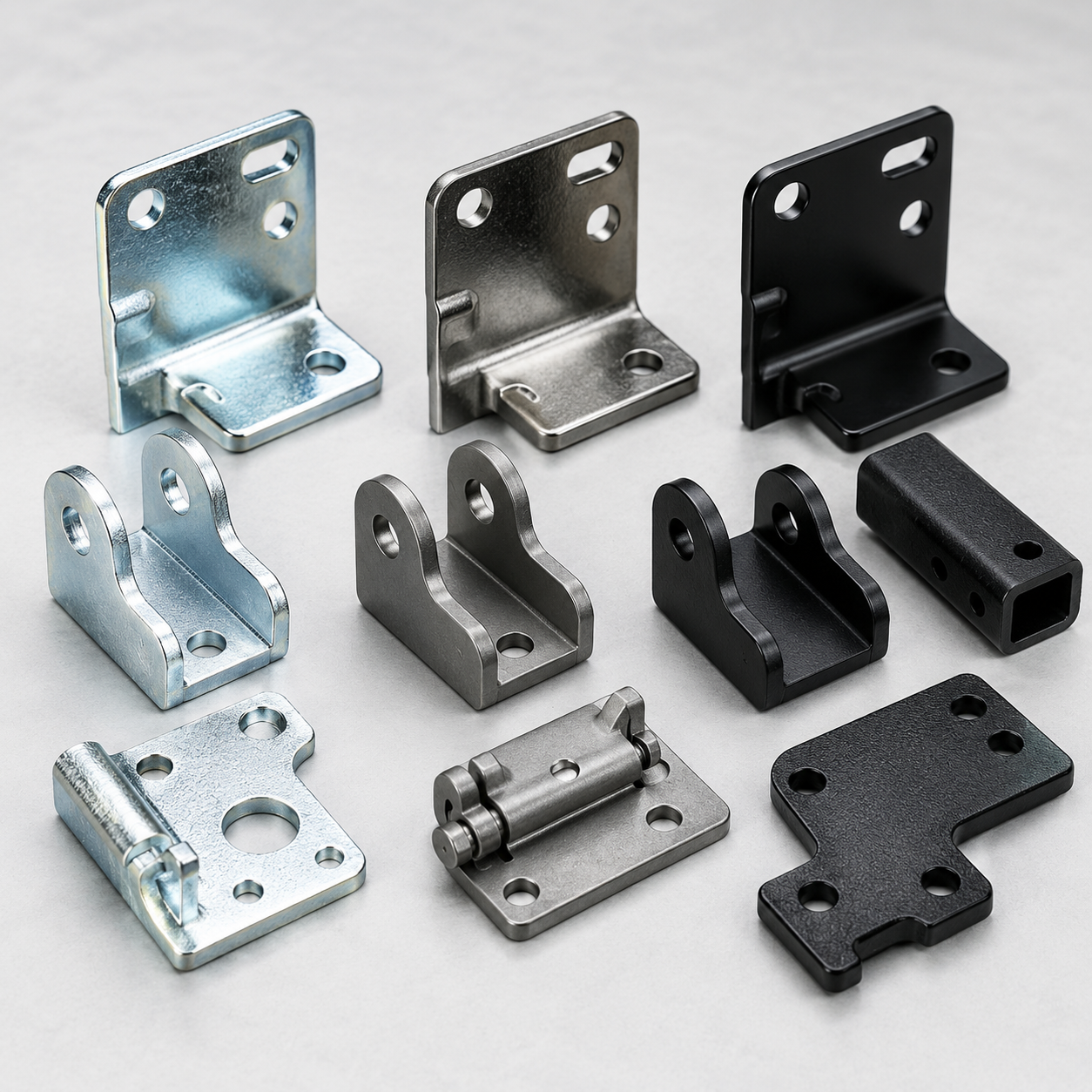
Metal surface finishing affects more than appearance. It can also influence corrosion resistance, coating thickness, assembly tolerances, and suitability for different operating environments. Zinc plating, zinc-nickel plating, e-coating, and powder coating each offer different characteristics, so the right finish should be selected according to the base material, corrosion requirements, appearance, dimensional fit, and cost.

READ MORE
How Are Custom Hardware Parts Developed? From Drawing Review to Prototyping and Mass Production
2026-08-10
How Are Custom Hardware Parts Developed? From Drawing Review to Prototyping and Mass Production

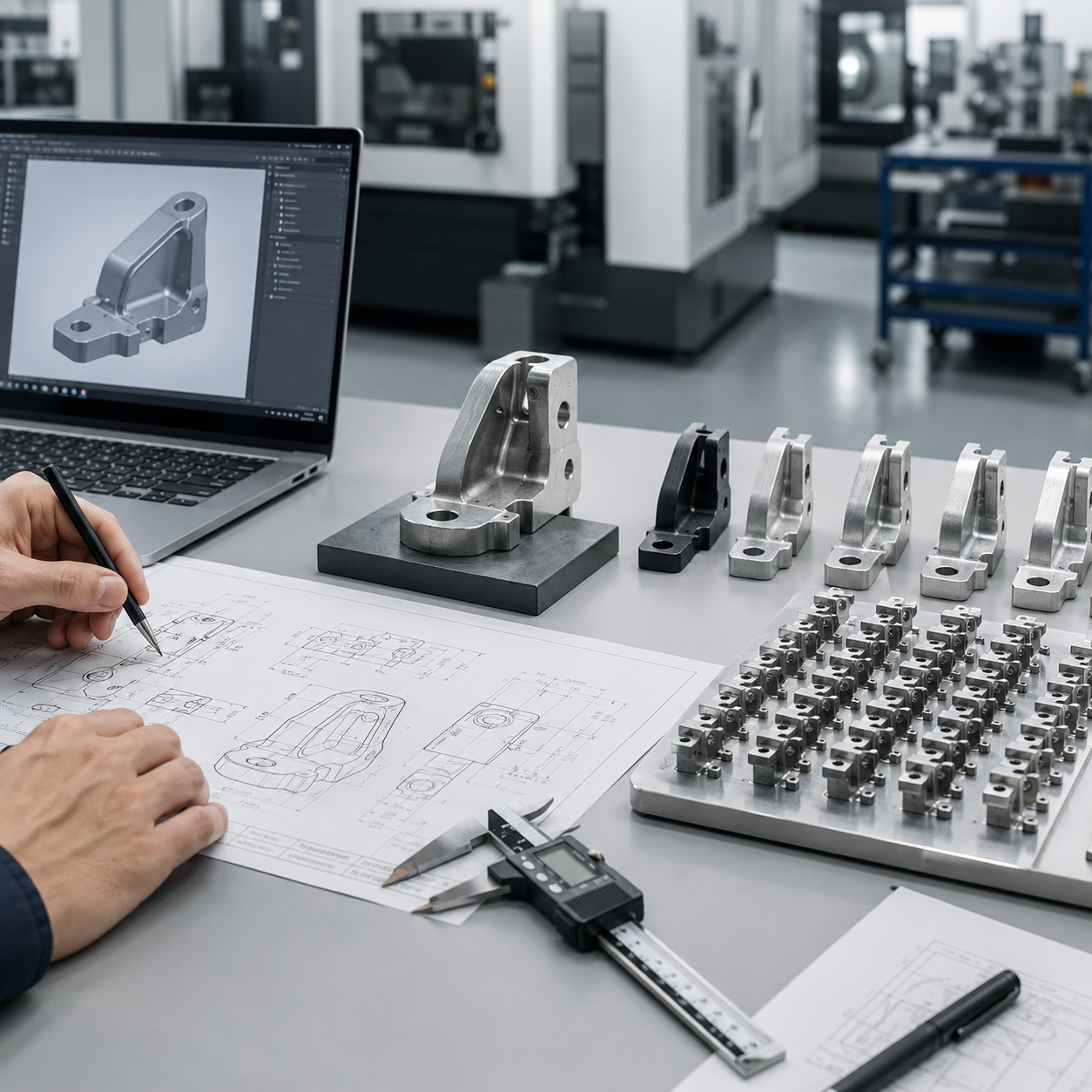
Developing custom hardware from concept to mass production requires careful review of drawings, materials, manufacturing processes, tolerances, surface finishes, tooling, samples, and quality requirements. Defining functional requirements and expected production volumes early can help select a more suitable process while reducing tooling changes, repeated sampling, and production costs. Even without complete drawings, initial feasibility can often be evaluated from samples, sketches, or basic dimensions.

READ MORE
What Metal Components Are Used in AI Servers? Brackets, Mounts and Precision Parts
2026-08-10
What Metal Components Are Used in AI Servers? Brackets, Mounts and Precision Parts

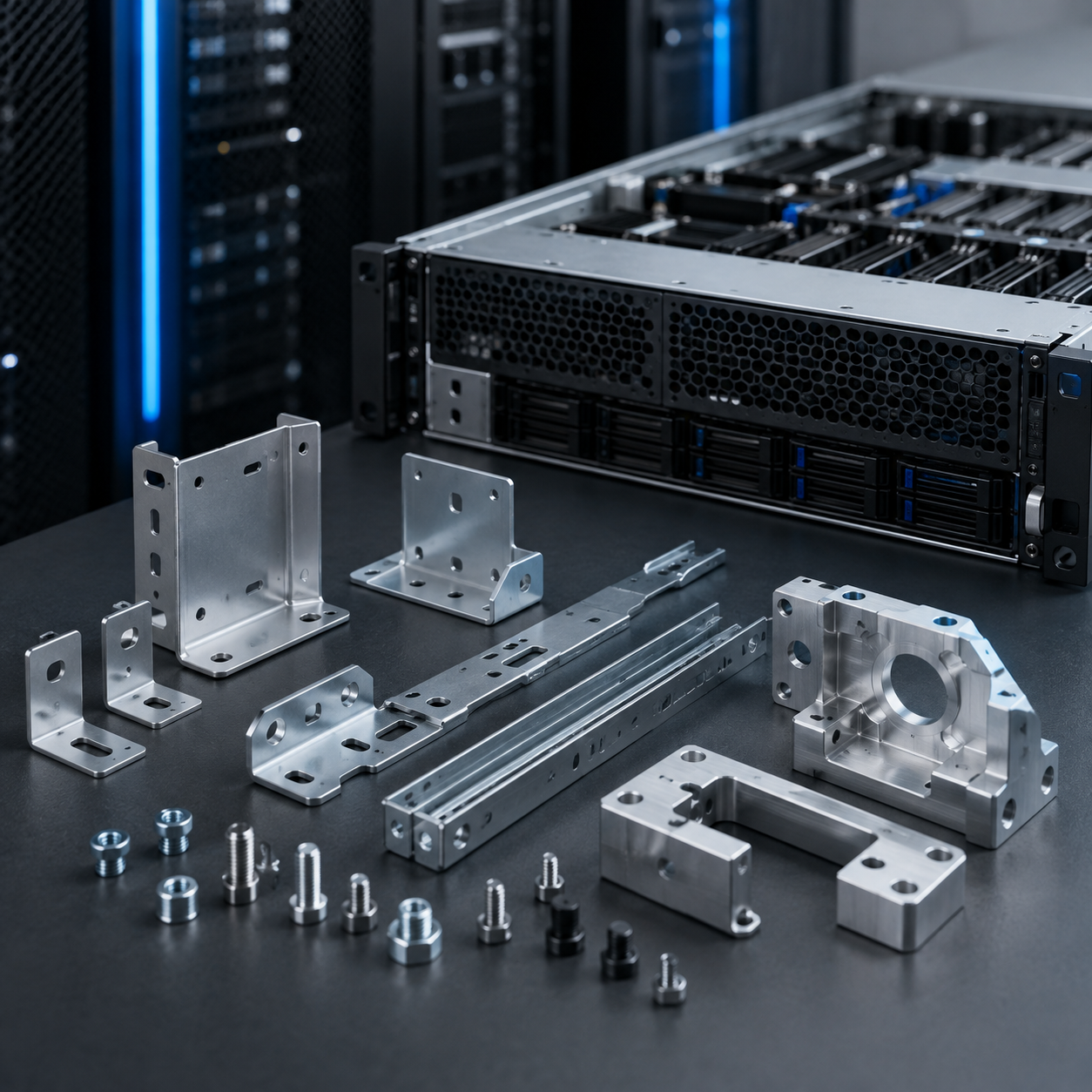
AI servers and data center equipment require more than electronic components. Metal brackets, mounting parts, sensor mounts, cable-management hardware, and precision components are also essential to the overall structure. These parts often need to fit within limited installation space while meeting requirements for dimensional accuracy, assembly efficiency, structural strength, and surface quality. Depending on the design and production volume, stamping, sheet-metal fabrication, CNC machining, or other processes may be used.

READ MORE
Quality Control for Custom Hardware: From Dimensional Inspection to RoHS and REACH Compliance
2026-08-10
Quality Control for Custom Hardware: From Dimensional Inspection to RoHS and REACH Compliance

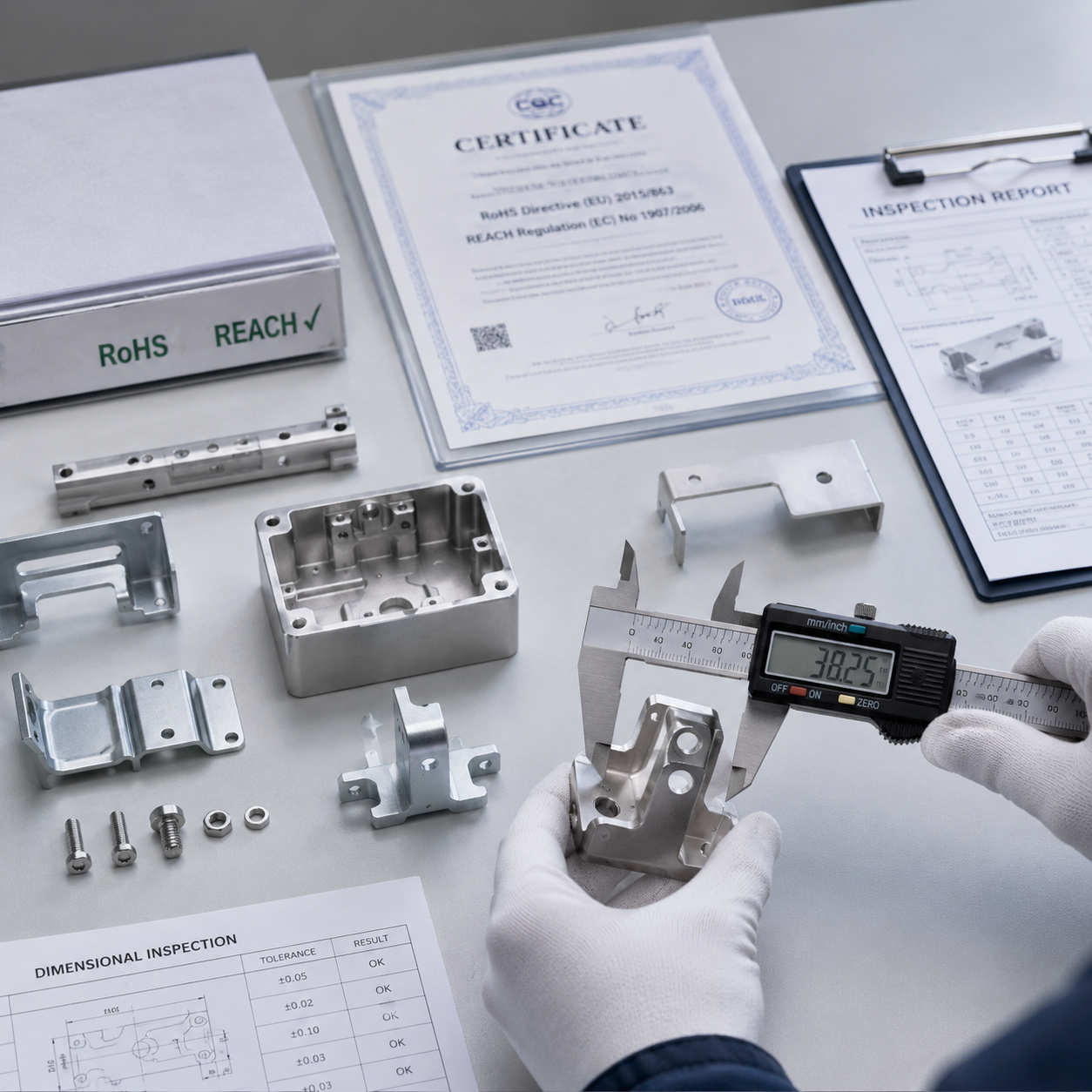
Quality control for custom hardware involves more than final inspection. Drawing and specification review, raw materials, first-article inspection, in-process control, and final inspection can all affect production consistency. When material certificates, surface-treatment reports, RoHS, REACH, or other compliance documents are required, these requirements should be confirmed early in the quotation and development stages to avoid problems after mass production begins.

READ MORE
304 vs. 316 Stainless Steel: How to Choose the Right Material for Custom Hardware
2026-08-10
304 vs. 316 Stainless Steel: How to Choose the Right Material for Custom Hardware

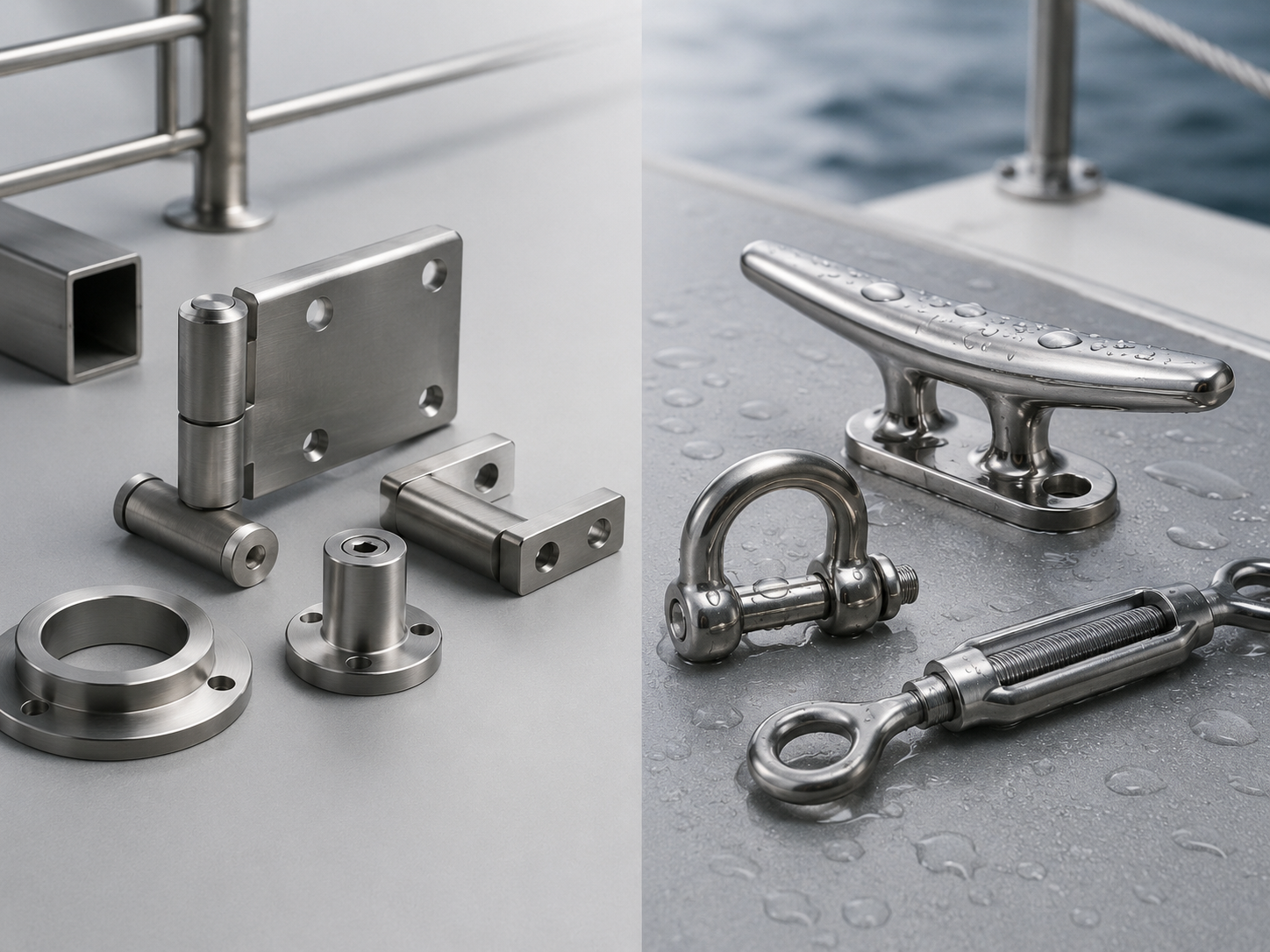
304 and 316 are both widely used stainless steels for hardware and industrial components, but they differ in corrosion resistance, operating environment, and material cost. 304 is commonly considered for general indoor and industrial applications, while 316 may be more suitable for humid, outdoor, coastal, or more corrosive environments. The final material choice should also consider product function, manufacturing process, service conditions, and cost requirements.

READ MORE
Stamping vs. Forging: How to Choose the Right Metal Forming Process
2026-08-10
Stamping vs. Forging: How to Choose the Right Metal Forming Process

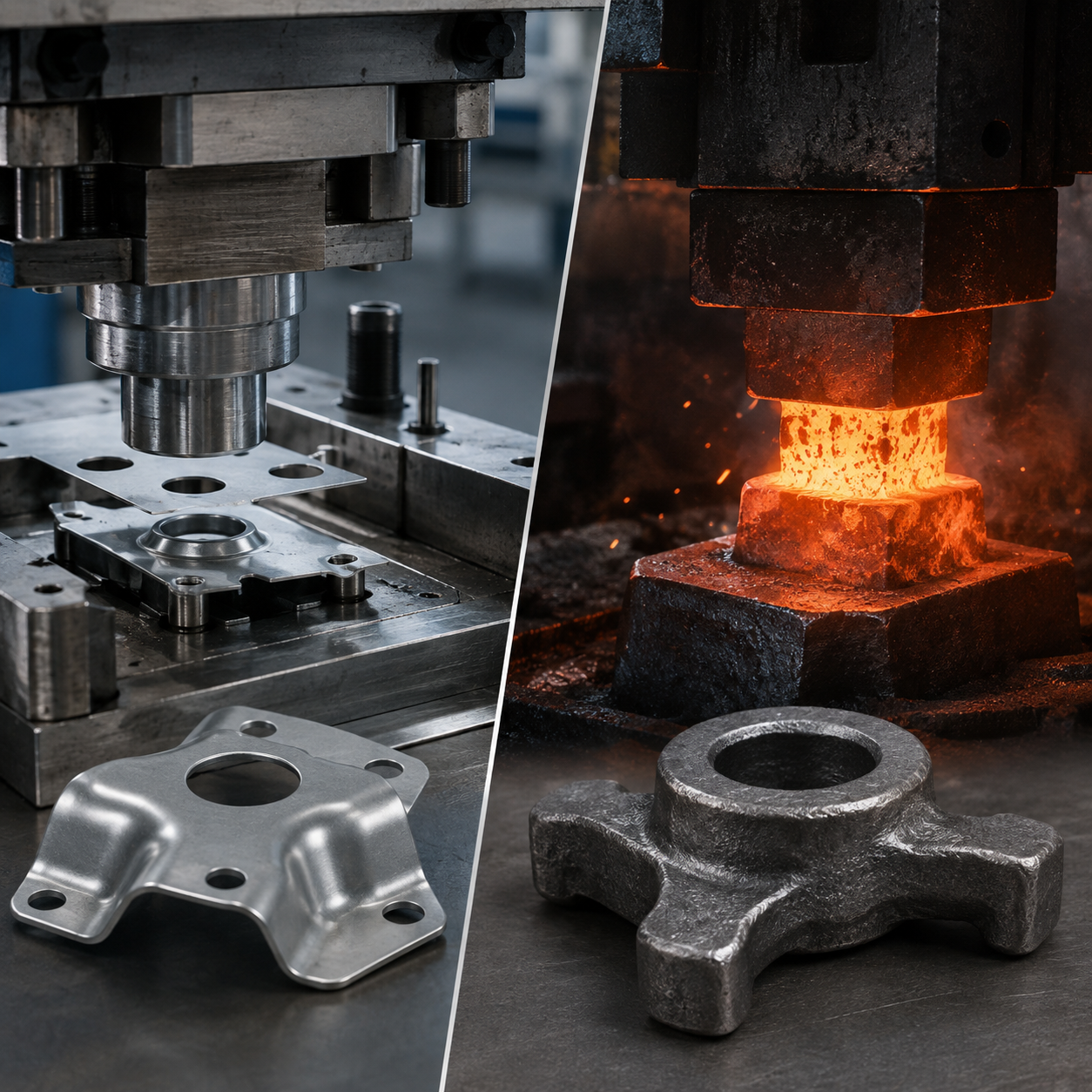
Stamping and forging are both common metal forming processes, but they are suited to different product geometries, material forms, tooling requirements, and production volumes. Choosing the wrong process early in development can increase tooling changes, secondary operations, and production costs. Understanding the differences helps determine the more suitable manufacturing method based on product design, strength requirements, volume, and cost targets.

READ MORE