Products Series
- Products
- Industrial/Automotive Hinges
- Hinge (D-253)
Hinge (D-253)
Available Model
D253
Available Match
Function and Introduction
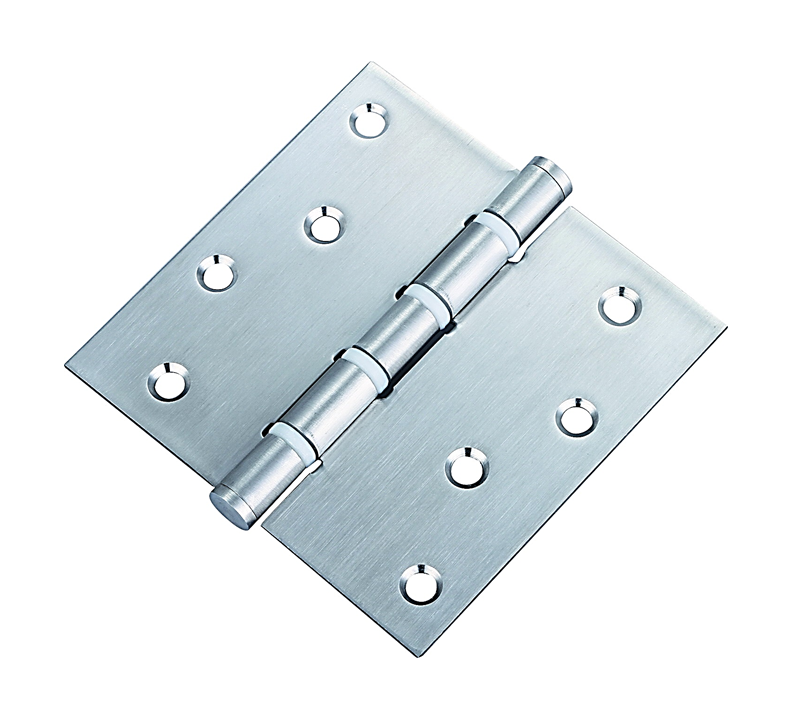
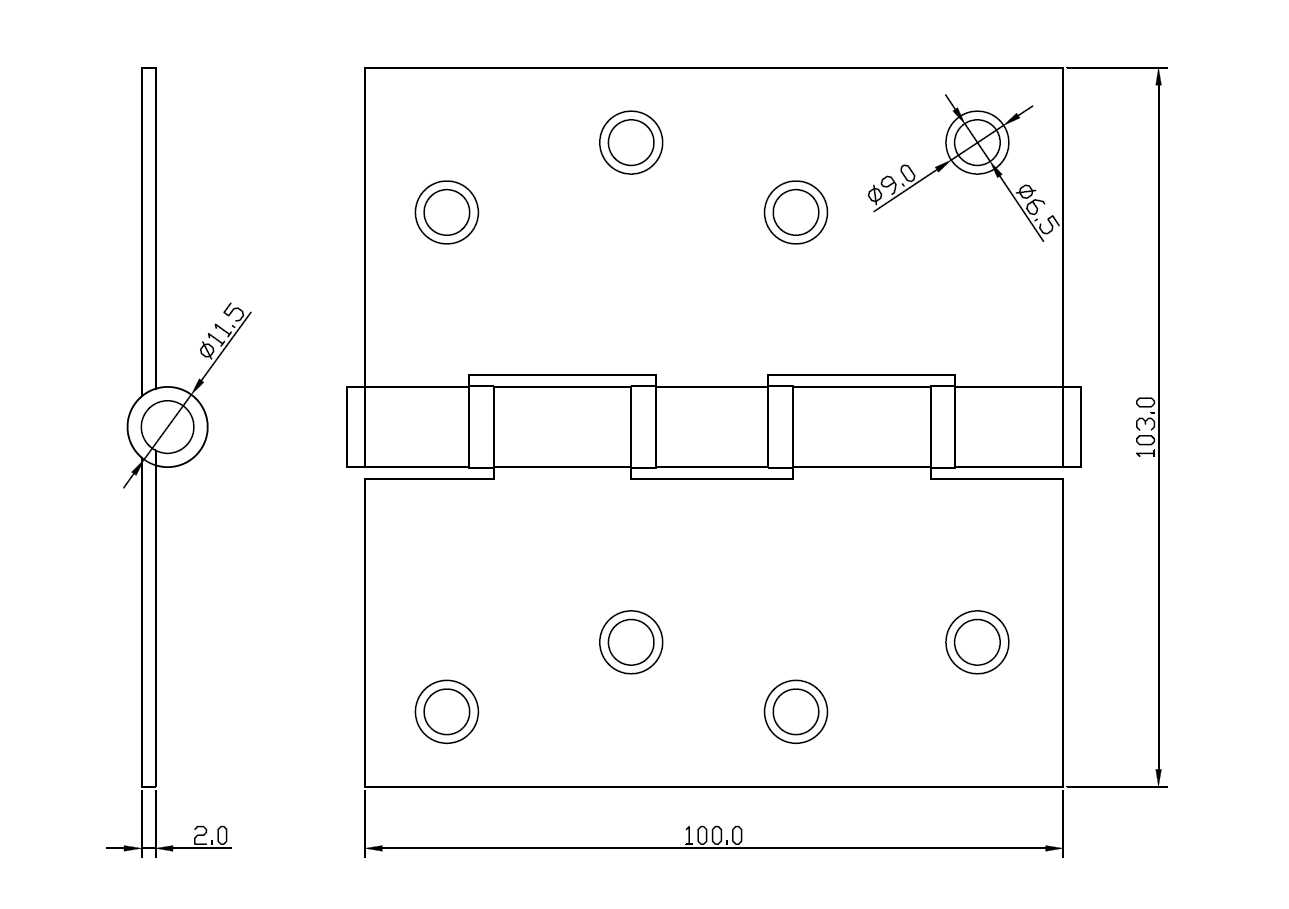
This large stainless steel door hinge features a symmetrical flat butt hinge design with four mounting holes on each leaf, totaling eight mounting holes. It is designed for high-frequency opening and closing environments and is ideal for doors, equipment enclosures, or heavy-duty panels that demand high durability.
The hinge is finished with a brushed surface, offering a refined appearance while balancing aesthetics and functional performance. It represents a classic heavy-duty stainless steel door hinge construction.
Functions & Applications
The hinge is finished with a brushed surface, offering a refined appearance while balancing aesthetics and functional performance. It represents a classic heavy-duty stainless steel door hinge construction.
Functions & Applications
- Provides rotational opening and closing functionality for doors or panels
- Supports medium to heavy loads, ensuring long-term structural stability under frequent use
- Suitable for wooden doors, metal doors, fire-rated doors, and outdoor cabinet doors
- Widely applied in public facilities, industrial plants, equipment rooms, and warehouse environments
Why Modern Architecture Requires Stainless Steel Heavy-Duty Door Hinges?
In contemporary architectural design, a door is no longer just a divider—it is an extension of structural strength and aesthetic. That's why stainless steel heavy-duty door hinges have become a standard among architects and construction contractors.
Stainless steel offers corrosion resistance, oxidation protection, high heat tolerance, and superior load capacity, making it ideal for commercial buildings, office towers, and public facilities with frequent foot traffic. These applications often require flag hinges, thick plate hinges, or CNC precision hinges to ensure long-lasting performance.
These hinges are also widely used in fire-rated doors, security doors, and steel doors, especially in hospitals, schools, data centers, and factories. Choosing the wrong hinge can lead to sagging doors, jamming, and reduced structural integrity—risking both safety and usability.
Stainless steel offers corrosion resistance, oxidation protection, high heat tolerance, and superior load capacity, making it ideal for commercial buildings, office towers, and public facilities with frequent foot traffic. These applications often require flag hinges, thick plate hinges, or CNC precision hinges to ensure long-lasting performance.
These hinges are also widely used in fire-rated doors, security doors, and steel doors, especially in hospitals, schools, data centers, and factories. Choosing the wrong hinge can lead to sagging doors, jamming, and reduced structural integrity—risking both safety and usability.